
Congratulations on your beautiful new lawn!
Now to keep it looking as amazing as it was the day you installed it.
Turf maintenance involves mowing, pest management and fertilising operations.
The amount of time and energy required to keep your lawn in Tip Top Premium lushness will be dependent upon the time of the year, the environmental conditions, how old your lawn is and the turf grass variety.
A couple of weeks after you purchase your new Coastal Turf Lawn, we will get back in touch to see go you would like a year long guide on how to best care for your lawn. Here area few quick reference guides to start you off.
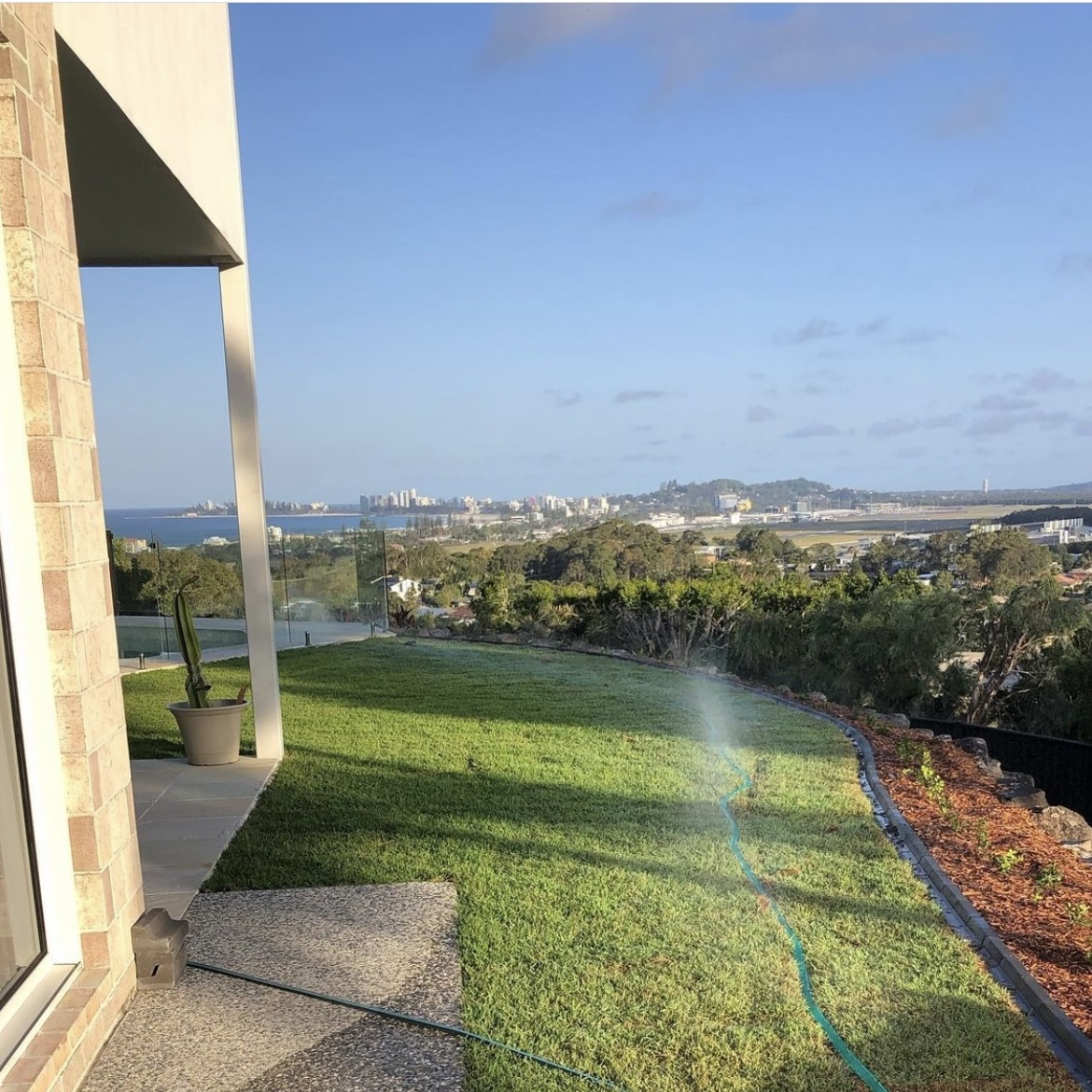
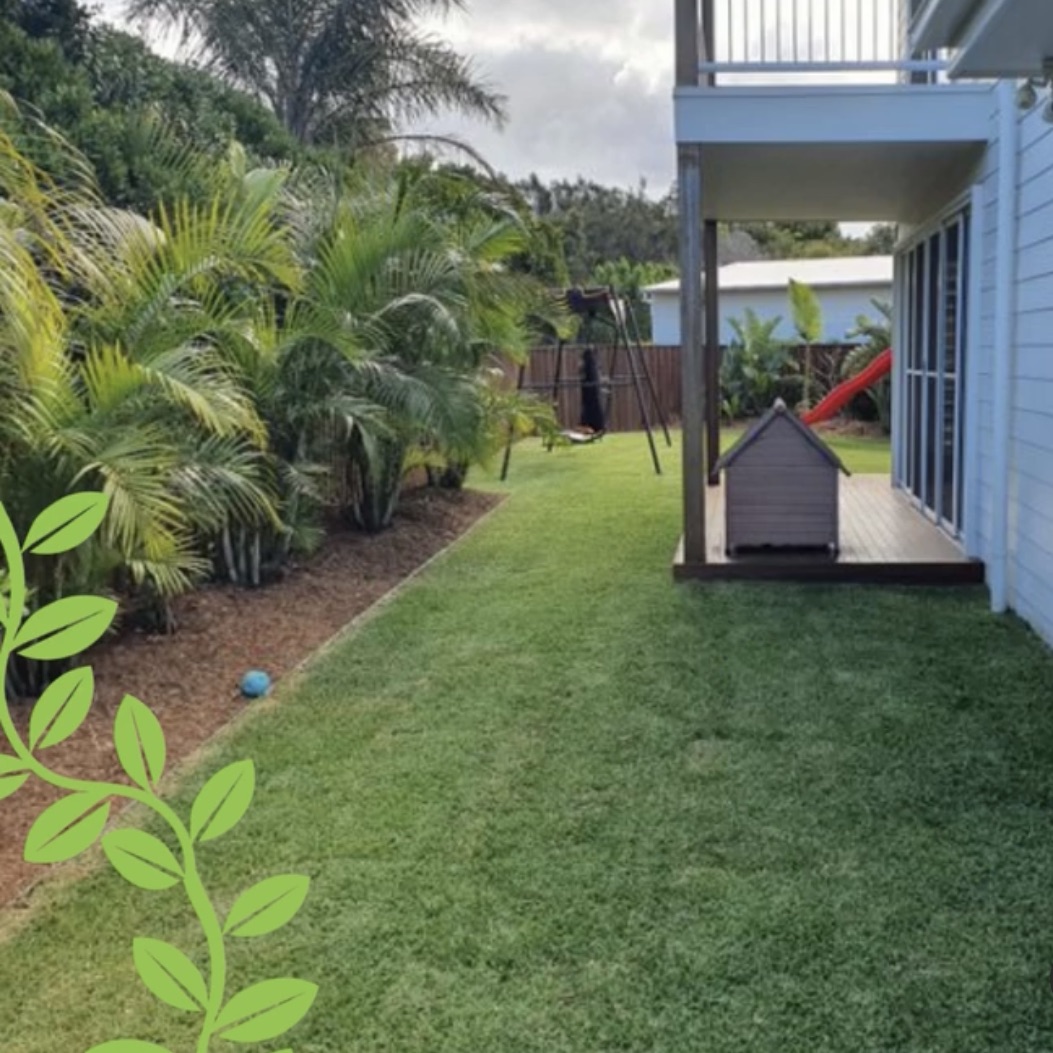

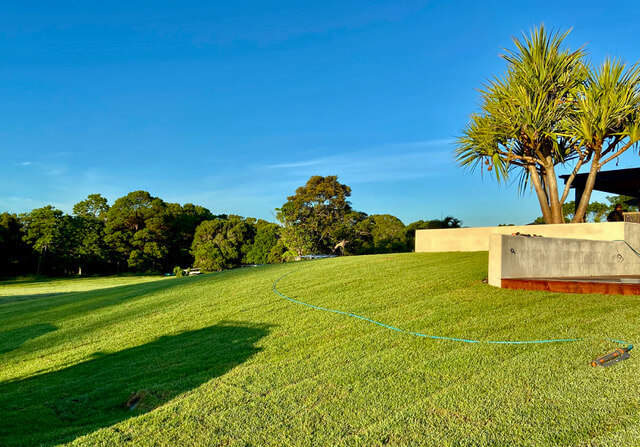

Watering
This is usually what most people want to know about. How much and when should I water my new lawn? And for how long?
When you purchase your new Coastal Turf lawn , we will also supply you with an installation after care guide for watering. In our current climate, we recommend that you water small amounts more often to aide in establishment. Can’t find your guide? Shoot us an email and we will send you one ASAP.
One your lawn is established, the Foot print test is the best way to know if your lawn needs a little hydration. The foot print test is pretty simple.
Walk across your lawn. Turn around cat walk style, and look back. Can you see your footprints still in the lawn? Are the leaves lying down flat, depressed from you walking across them? If your lawn in thirsty, the leave will lye down when depressed, as they do not have enough water within the leaf to spring back up.
But if your lawn is hydrated, the leaves will spring back up.
Turf grasses, especially the buffaloes, will curl their leaves when thirsty, making sharp pointy ends. If your lawn is drawing daggers at you, put your sprinkler out for 10 minutes.
Too much water
This is the one of the problems facing our lawns on the coast this year. The heavy rain falls means we do not have to water as often. But there has been so much water coming from the sky, that the soils are so hydrated that our lawns are starting to get too much water.
All of this rain / water has three (3) major detrimental effects –
1. The Rain Drowns the turf: Oxygen is vital for turf growth and development. Turf / plants absorb oxygen through the soil, when there is an excessive amount of rainfall the areas in the soil that were full of oxygen (called ‘pores’) are now filled with water. Therefore there is no oxygen available for the turf. Hence the term ‘drowning’
Solution: Ensure that you have adequate drainage and / or top dress your lawn with 5mm of course sand. As the sand is a larger particle size than the topsoil more spaces (‘pores’) for oxygen and water will be created. The topdressing with sand theory is similar to filling a large 44 gallon drum up with basketballs (sand) OR filling a large 44 gallon drum up with golf balls (topsoil). The particles are bigger and therefore creates more spaces for the oxygen and roots of the turf.
2. Lack of Sunlight: sunlight is food for the grass, the sunlight is absorbed through the leaves of the grass / plant. When there is an excessive amount of rain days then there is little or no sunlight for the grass to absorb. The clouds and rain days have taken away the food source for your turf.
Solution: When mowing your turf lift / raise the height of your lawn mower. This will increase the amount of leaf area available to absorb sunlight. When the sun does come out regularly again, slowly move the mowing height back down. (Remember to only remove 1/3 of the leaf at any one time).
3. Lack of nutrients – with a lack of sunlight the grass is forced to draw nutrients from its reserve it has stored in the roots. This works quite for well for a short period of time. (it is similar to a kitchen pantry, it has food stored in it but if you don’t go shopping or re-fill it the food will run out…..) . The cloudy and wet days create a limited amount of sunlight and only a small window of opportunity to absorb nutrients.
Solution: to help compensate for the lack of nutrients in the grass we need to make it as easy as possible for the turf to absorb nutrients from the soil. We can achieve this by applying a chemical fertiliser. The fertiliser will provide very EASY nutrients for the grass. This fertiliser application will not have the usual jump out of the ground effect that it usually does in hot summer months, what it will do is provide a ‘LIFE SUPPORT’ system for your struggling turf.
Mowing.
The single BIGGEST mistake that most Australian Lawn Owners make is mowing their lawn too low. The green part, or leaf, of your lawn is the part that absorbs sunlight and turns it into energy for the grass the plant to thrive. When the lawn is mowed too low, and the leaf is cut away, your lawn has nothing to turn the beautiful sunshine into food. This means that the lawn has to draw on the reserves that it has stored in the roots. These reserves will only provide enough energy for the grass to recover once. If that lawn is then mowed down too low AGAIN, the grass has run out of reserves and begins to die off. Have a look at our blog to get more info.
The best rule of thumb is to never take off more than third of the leaf at any given time. This allows the plant to have enough leaf to photosynthesise, as well as hold onto its moisture.
If you have left your lawn a little too long to give it a hair cut, then take off a third of the leaf today, and then another third in 3 days time, and so on until you take your lawn down to a manageable height. This will keep the plant healthy, green and lush. And soft to walk on.
The best height to mow at will be determined by the season. A little longer in Winter, to absorb all that beautiful sunlight, and shorter in Summer.
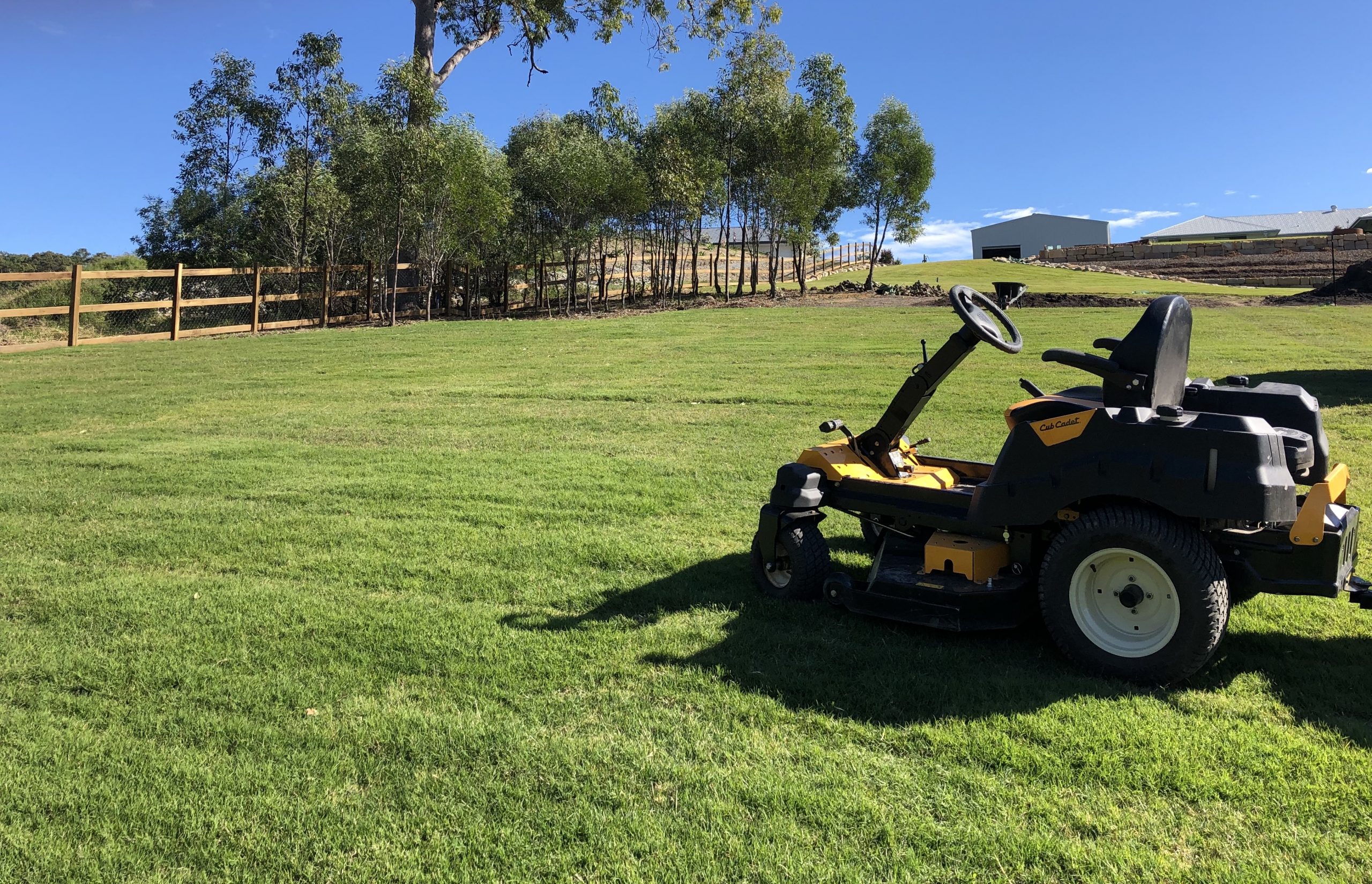
Lawn Mowing Heights
Each variety of Turf / Lawn should be mown at different heights. The recommended mowing heights of established turf grass varieties (in Summer Months) are –
| Turf Type | Mowing Heights (Summer) | Frequency (Summer) |
| Wintergreen Couch | 25 – 30mm | 4 times per month |
| Pacific Aussie Blue Couch / Coastal Mix | 35mm | 3 times per month |
| Zoysia Grass | 40mm | 2 – 3 times per month |
| Pacific Buffalo Turf | 40mm | 3 – 4 times per month |
| Sir Walter Buffalo | 40mm | 3 times per month |
The recommended mowing heights of established turf grass varieties (in Winter Months) are –
| Turf Type | Mowing Heights (Winter) | Frequency (Winter) |
| Wintergreen Couch | 35mm | 2 – 3 times per month |
| Pacific Aussie Blue Couch / Coastal Mix | 40 – 45mm | 2 times per month |
| Zoysia Grass | 45 – 50mm | 1 – 2 times per month |
| Pacific Buffalo Turf | 45 – 50mm | 2 – 3 times per month |
| Sir Walter Buffalo | 40 – 45mm | 2 times per month |
***NOTE – These measurements are taken from the base of the turf/top of the soil.
Some other Great tips for mowing are:
- Only remove 1/3 of the leaf area at any one time.
- The lower you mow it, the more often you need to mow it.
- In Summer mow weekly.
- In Winter mow every 2nd or 3rd week.
- In shady areas increase the mowing height of the grass (This creates a greater leaf area to capture sunlight).
- Mowing is the best form of weed control (The 2nd best is physically pulling them out. Do not rely on chemicals).
As the amount of sunlight (food for the grass /lawn) changes throughout the year, so too should your mowing heights change throughout the year. There is more amount of sunlight in summer and therefore your lawn can be mown shorter. There is a lesser amount of sunlight during winter (with shorter days) and therefore your lawn should be mown higher (to allow a greater amount of food (sunlight) to be captured by the grass / lawn.
Lawn Grubs.
Lawn Grubs (Spodoptera spp.) Feed of the fresh, young, green leaf of your turf just above the ground. They drastically reduce the quality and growth of your lawn. When it is warm and then there is a good shower of rain it is very important to keep an eye out for lawn grubs. They often attack your lawn after rainfall as the grass is soft, lush and thick.
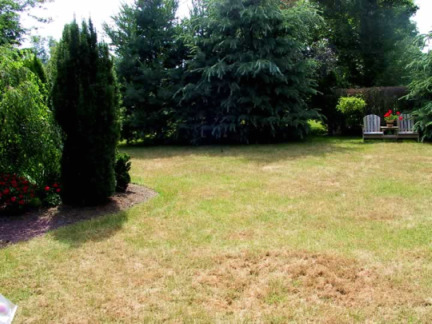
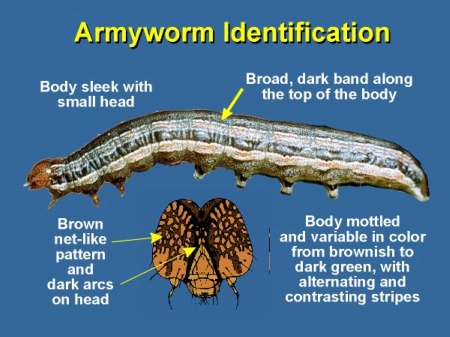
Common symptoms are – brown, dry and brittle turf. Closer inspection reveals the leaf blade of the turf to be eaten by something (as this photo displays). The actual lawn grub looks very similar to a caterpillar. (as this photo displays). They are range in colour from bright green to dark green / brown in colour with black dots down there back.
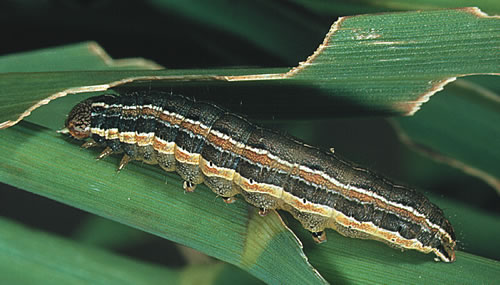
*NOTE – Lawn grubs are also known as ‘Armyworm’. This is because they start in one section of your lawn and work their way across the lawn along a set line, similar to soldiers in a battle.
Lifecycle – To best understand how to control and PREVENT lawn grubs it is best to understand there lifecycle. The lifecycle of the Lawn Grub is explained below –
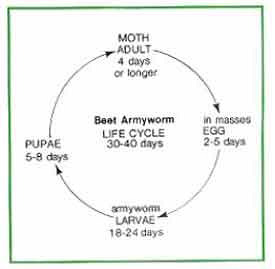
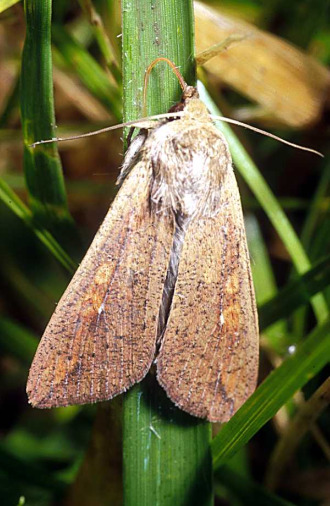
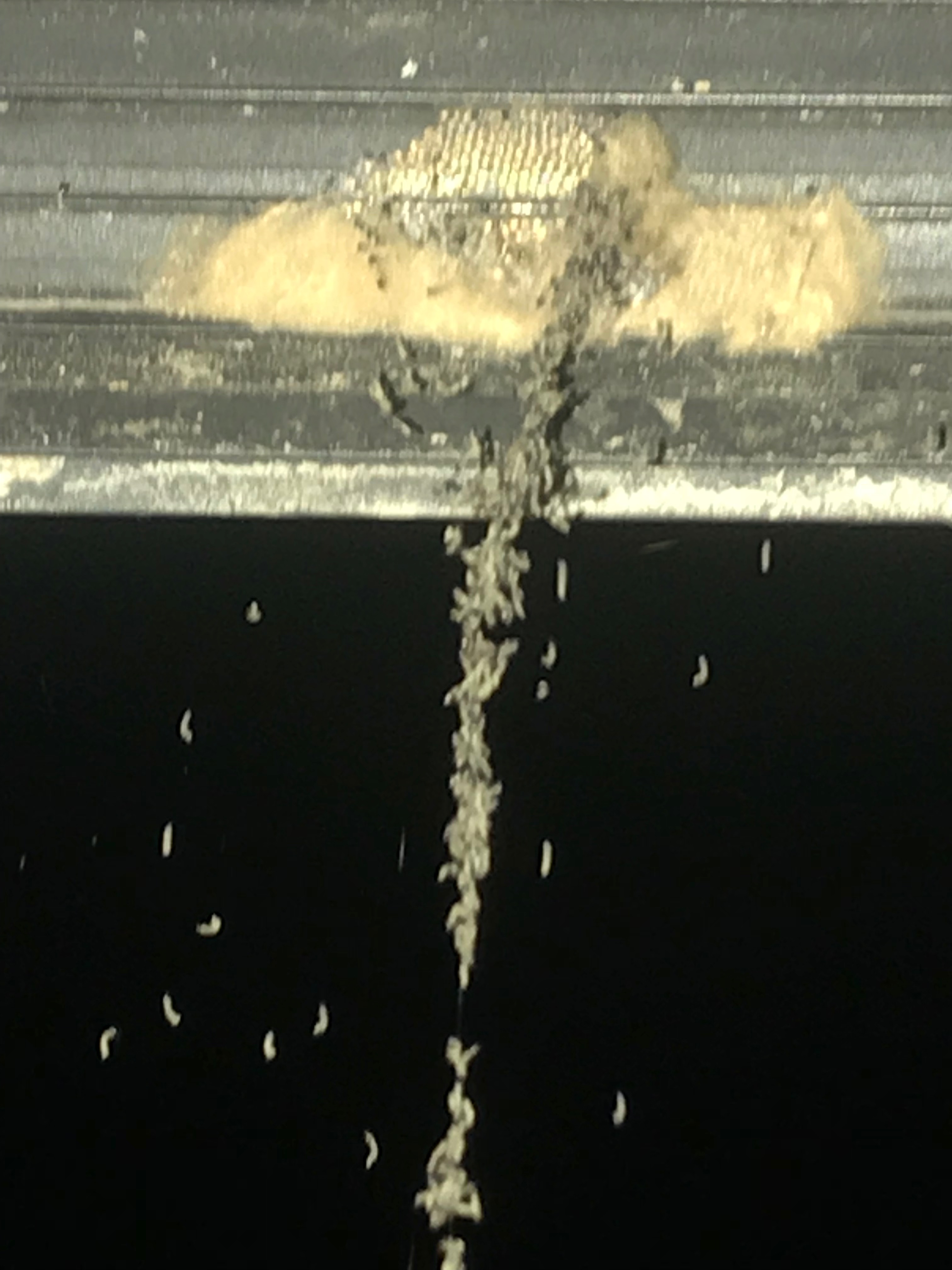
The adult Lawn grub is actually a moth, brown in colour. The adult female moth flies around at night and is attracted to healthy lush or well maintained lawns. She lays her eggs into soft cocoons on the awnings of your house, under side of leaves and even your clothes line. These cocoons then hatch into the caterpillars (or LARVAE). These caterpillars are the ones (lifecycle stage) that do the damage to your lawn. They will live for approx. 3 weeks if allowed to. However it is best get rid of them ASAP.

So how do we get rid of Lawn grubs ?
Don’t worry, they are easy to control. We use and recommend the Acelepryn for lawn grub prevention and control. It is the safest control for your family. An untreated lawn can be decimated if left untreated.
Chemical control: A range of insecticides are registered for the control of Lawn grub in turf. At Coastal Turf we use and recommend Acelepryn. As a granular formula the lawn grub killer is safer to apply, and can be used at homes with children and animals on the lawn. Purchase yours here.
By breaking the lifecycle of the lawn grub you are able to PREVENT any lawn grubs getting into your lawn in the first place. This is best achieved by keeping an eye out for the soft cocoons on your awnings, gardens, fly screens, garage doors and either brushing or hosing them off. This will kill the eggs, hence not allowing the Lawn Grub / Larvae to eat your beautiful lush lawn. We recommend applying Acelepryn every 4 months to prevent grubs decimating your lawn.
Additional info – Lawn grubs are more likely to occur after rainfall. This is because the grass is lush and green. Therefore keep an eye out for the moths and cocoons after rain.
What to do now?
1. Apply a chemical insecticide to kill all of the existing lawn grubs.
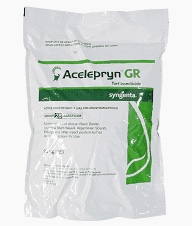
This product comes in an easy to apply granule (sand) form. You do NOT have to mix up any sprays. Simply sprinkle the Acelepryn over your lawn and water in (even better do it when it is raining!). Your Lawn Grub problems will be gone within 3 days! It is best to concentrate on the areas that are closest to your verandahs, awnings and large trees.
NB -It is important to remember that the reason that there are so many different types of lawn grub insecticides out there is because different people like to use different ways to get rid of Lawn Grub and sometimes grubs can become immune to one type of insecticide. Annoying but true. So although this brand is great it is not for everyone. The important thing is to get the active ingredient right.
If you need any help with getting rid of Lawn Grubs give us a quick call or email and we will help you any way we can with the war an LAWN GRUBS! If you do not want to DIY your lawn grub problem, we can put you in touch with professionals to get rid of your problem.
2. Fertilise your lawn.
After you have killed all the Lawn Grubs, the lawn is left feeling run down and hungry. Like after you have the flu. It is now time to give it a big feed. Apply a Turfmaxx Fertiliser to your lawn and really water in.
A nutrient rich top dressing is a great idea as well. This will protect the roots, and promote growth. Always make sure you match the right top dress material to your soil type, and apply Organic Booster. Ask us for our Top dressing guide if you are unsure!
Water or irrigate your turf for 2 – 3 days after applying fertiliser and top dressing to ensure a quick recovery !
Fungus
After a-lot of rain fungus spores from the air can infiltrate your lawn . Fungus causes your lawn to die off in large spots and can begin as looking like water damage. Like mould, fungus that kill grass loves wet conditions, and thrives in it. Unfortunately there are lots of different types of fungus, ranging from Dollar spot to Rust and Fairy Ring ( not as much fun as it sounds) . There are different types of sprays and applications for the different types of fungus infestation. Coastal Turf recommends that your first point of call be to us or your local nursery because they will know what is around at the moment, and can recommend the best way to kill them and fast.
Soft Weeds
Mow Fertilise Mow Mow! The best way to make your turf grass weed free is regular love and maintenance.
By mowing and feeding your lawn regularly, you are creating the best environment for the plant to grow in.
Like all Aussies, our lawns love a good feed, and a nice drink to end a long week.
For chemical control, get in touch with our crew and we can recommend the best sprays for specific weeds.